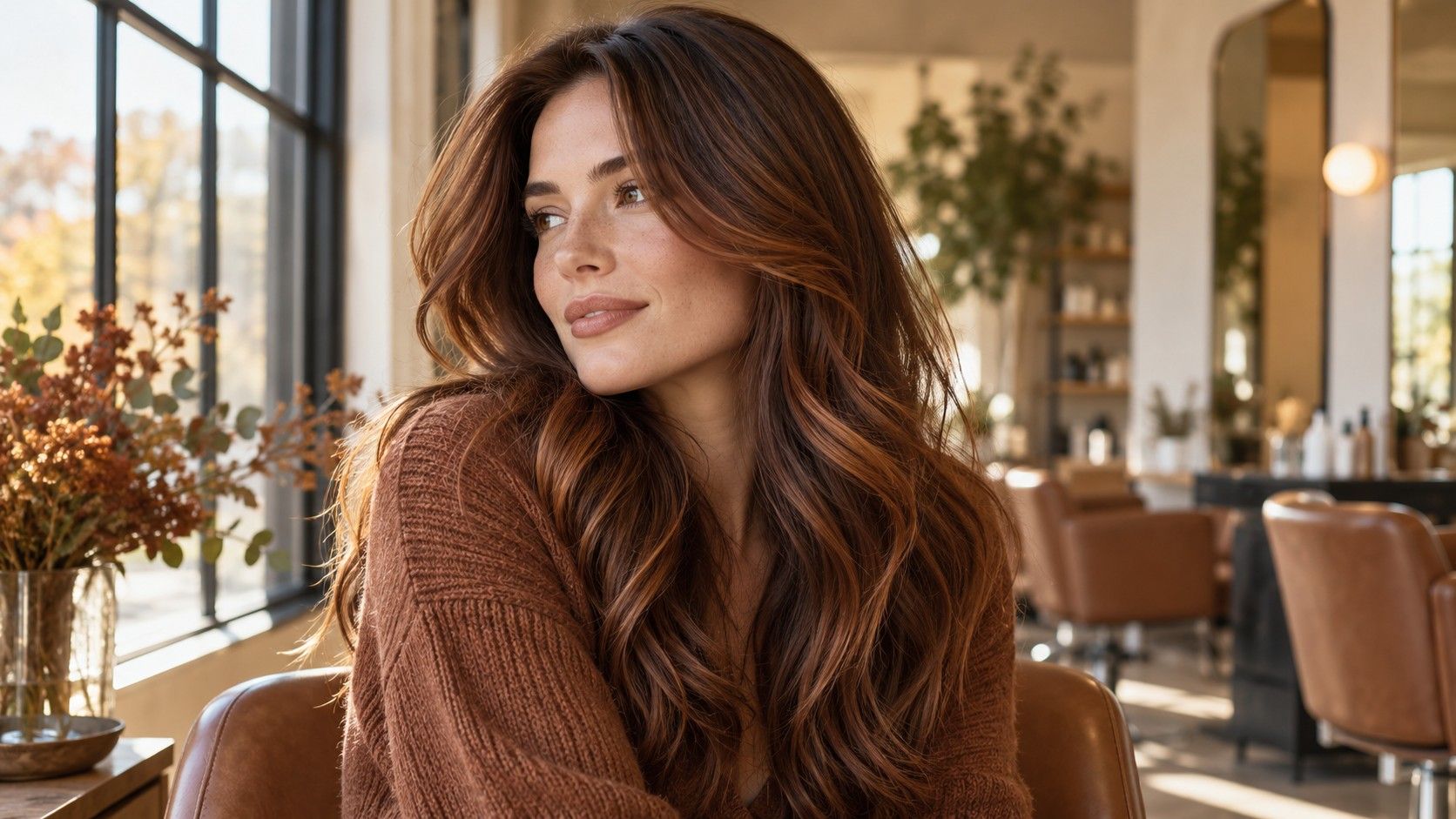
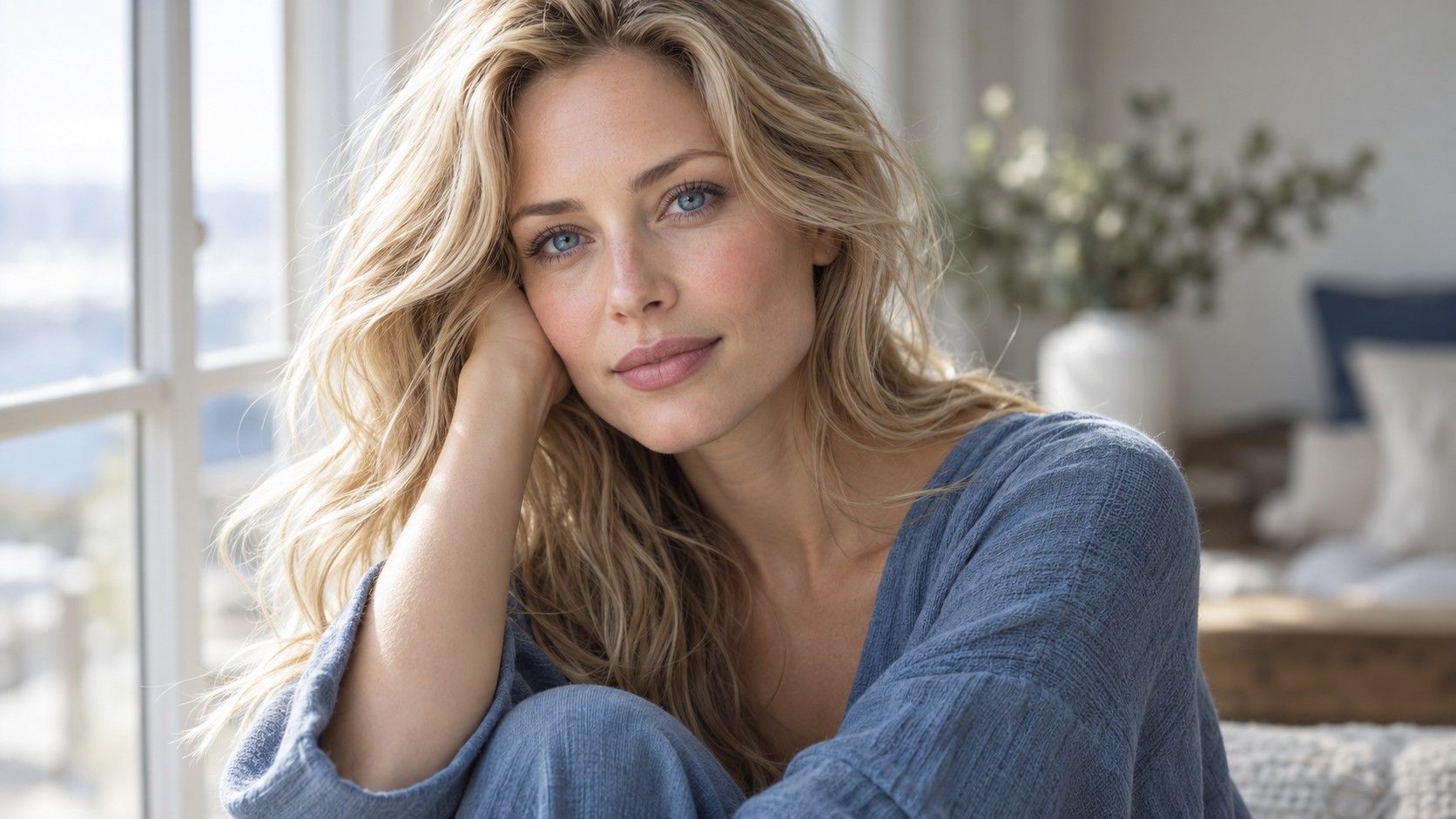
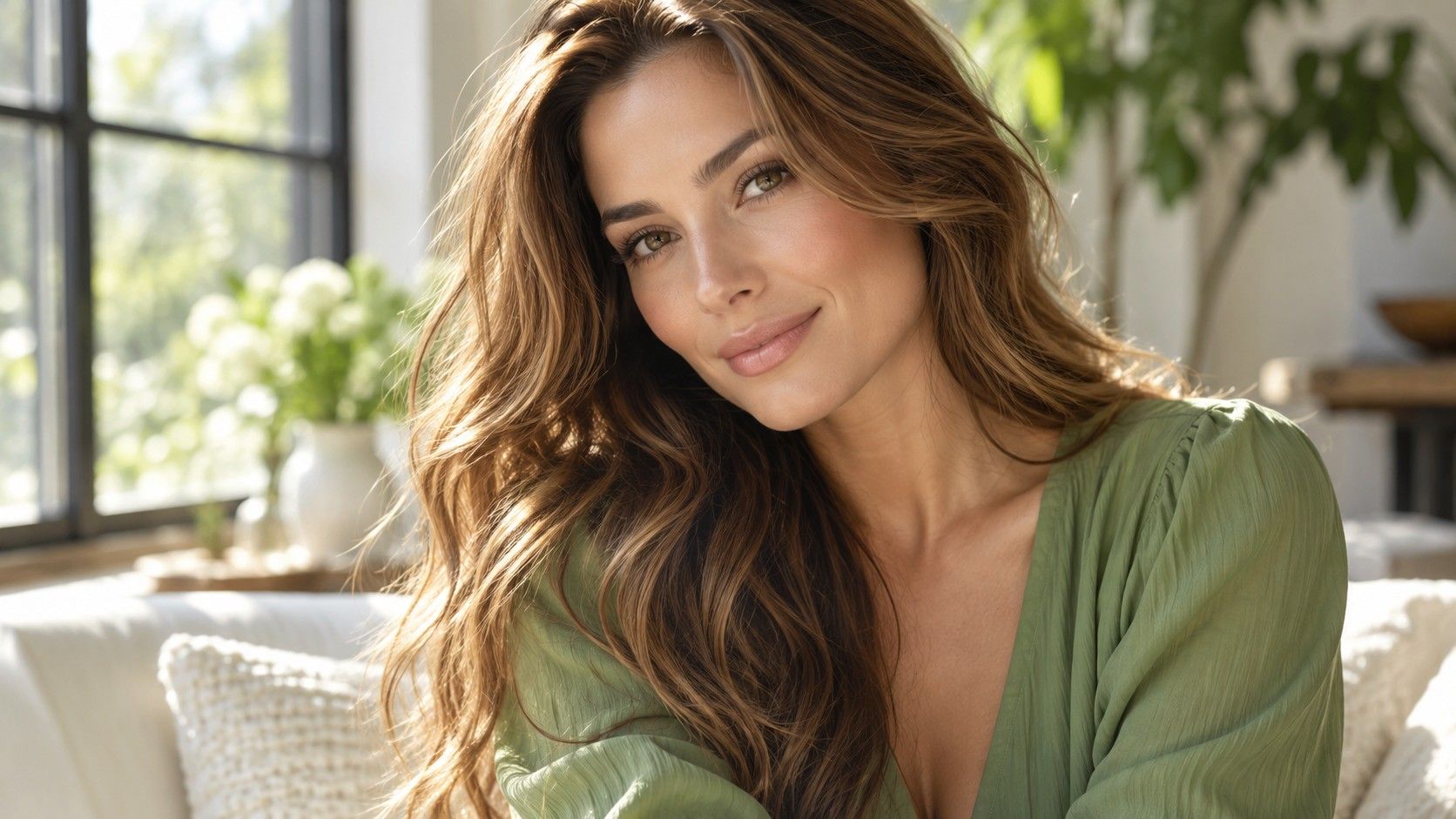
Lightening dark hair can change the whole balance of a face, even when the blonde itself looks beautifully cool. A True Winter inspired blonde works best as a comparison between the new light pieces and the depth you already have. Look at roots, brows and clothing together before asking a stylist for a shade name.
When a cool blonde looks too pale beside dark hair
A photograph of icy blonde on someone with dark natural hair is a tempting reference, but the reference rarely shows the first inch of regrowth. Put the image next to a current daylight photo of your own hair. Is the attraction the pale color, or the sharp contrast where pale strands meet a deep base? Those are different requests at a salon.
For true winter blonde hair, cooler light pieces can make sense without taking every strand to the same level. A dark brown base with fine, cool highlights may preserve the visual weight that makes the eyes and brows feel connected to the hair. An all-over pale blonde reduces that weight. Neither is inherently better; decide which effect you want to see each morning.
Ask to compare swatches at the same depth, rather than a very pale ash sample against a much darker warm one. Depth changes the impression as much as temperature. A smoky dark blonde may seem quiet beside a black jacket, while a small section of brighter cool blonde near the face can read clearly from across a room.
Keep brows and roots in the same frame
Hold your hair away from your face in a window-lit photo, then bring a proposed blonde swatch next to the cheek. Keep brows visible. If the swatch appears disconnected, a deeper root area or lower-contrast placement may bridge the gap. Covering the brows in a cropped reference image hides a useful part of the decision.
A shadowed root is a design choice, not a failure to finish the color. It can leave a dark frame around the face while lighter lengths give the movement you want. The exact depth should be chosen against your natural color and the amount of regrowth you are comfortable seeing. A root that is much darker than the mid-lengths will produce a clear line as it grows.
If your natural hair is already light, the same winter-leaning idea may need more definition rather than more lift. Cooler lowlights or a slightly deeper root can create structure. Bring photographs where the hair is both loose and pulled back; a color that looks balanced across long lengths can feel different when only the hairline remains visible.
Work out the lift before choosing the photograph
The distance between your starting shade and the reference matters. A deep brunette aiming for very light blonde is discussing a larger change than a dark blonde aiming for cooler highlights. Previous dye, uneven ends and hair condition also affect what a stylist can reasonably plan. A consultation should begin with your actual hair history, not a filter-heavy image.
Ask what the first appointment is expected to achieve and what might require a later visit. A staged result can be useful if you are deciding whether the lighter look belongs in your routine at all. Agree on the acceptable intermediate shade before color is applied, because an in-between level may show more warmth than the finished reference.
Daylight and indoor photographs of the same head are helpful here. Many cool blondes look silvery under one lamp and beige outdoors. Keep the camera settings as consistent as you can, and compare hair against a plain neckline. The goal is to judge the visible result, not diagnose a season from a single photo.
Where should the brightest pieces sit?
Face-framing highlights draw attention quickly because they sit beside skin and brows. If you like contrast, a few carefully placed pieces can do more than a full head of equally pale hair. If a pale front feels severe, ask for cooler brightness a little farther back and keep a softer transition at the hairline.
Look at the color with hair tucked behind one ear. That small movement reveals whether the front section is doing all the work. It also shows whether a dark underlayer is providing the depth you liked in your reference. A colorist can plan placement around how you part and wear your hair, which matters more than a generic chart of highlight types.
Bring one reference for the amount of light hair and another for its temperature. Mark the part you like in each photograph. A picture of a pale blonde bob may communicate the tone but not the proportion of light to dark that suits long, layered hair.
Can you live with the upkeep?
Cool pale tones can visibly shift between appointments, and dark regrowth is easier to see against a bright blonde. Ask the salon to explain the likely refresh schedule for your specific starting color, placement and washing habits. Avoid building a plan around a photograph taken on the day of a color service.
Consider the ordinary weeks: hair tied back, roots in a video call, and outdoor light on a cloudy morning. A darker root with cool highlights may be easier to wear through those weeks than uniform platinum. If regular visits are unrealistic, make that part of the initial conversation so placement and depth reflect your calendar.
The most useful final check is whether you still like the shade when you remove the seasonal label. True Winter can be a helpful visual direction, but it cannot guarantee that one blonde will work for every face or every head of hair. Choose the result you can describe, maintain and enjoy.
How to use a reference without copying the wrong detail
Save a front view and a side view of the same reference if possible. One picture may suggest a pale overall color while the other reveals a dark underlayer. Note where the lightest section begins and how much dark hair remains visible. That description survives changes in screen brightness better than a vague request for an icy winter blonde.
Compare the photograph to your hair in a similar style. Loose curls expose contrasting ribbons and make highlights appear plentiful. Straight hair can show a different distribution. If you wear a center part most days, a reference photographed with a deep side part may exaggerate the face-framing effect you will actually get.
Ask the stylist to name the parts of the reference that are realistic for your starting color and the parts that would change over several visits. A useful answer includes placement, approximate depth and likely intermediate appearance. That conversation is more valuable than a promise to reproduce every pixel of a studio photograph.
After the appointment, take your own unfiltered photo in familiar light. Keep it for the next consultation along with notes on how the color felt after a few weeks. You will have a specific record of the tone and contrast you liked, even if the exact product or styling changes later.