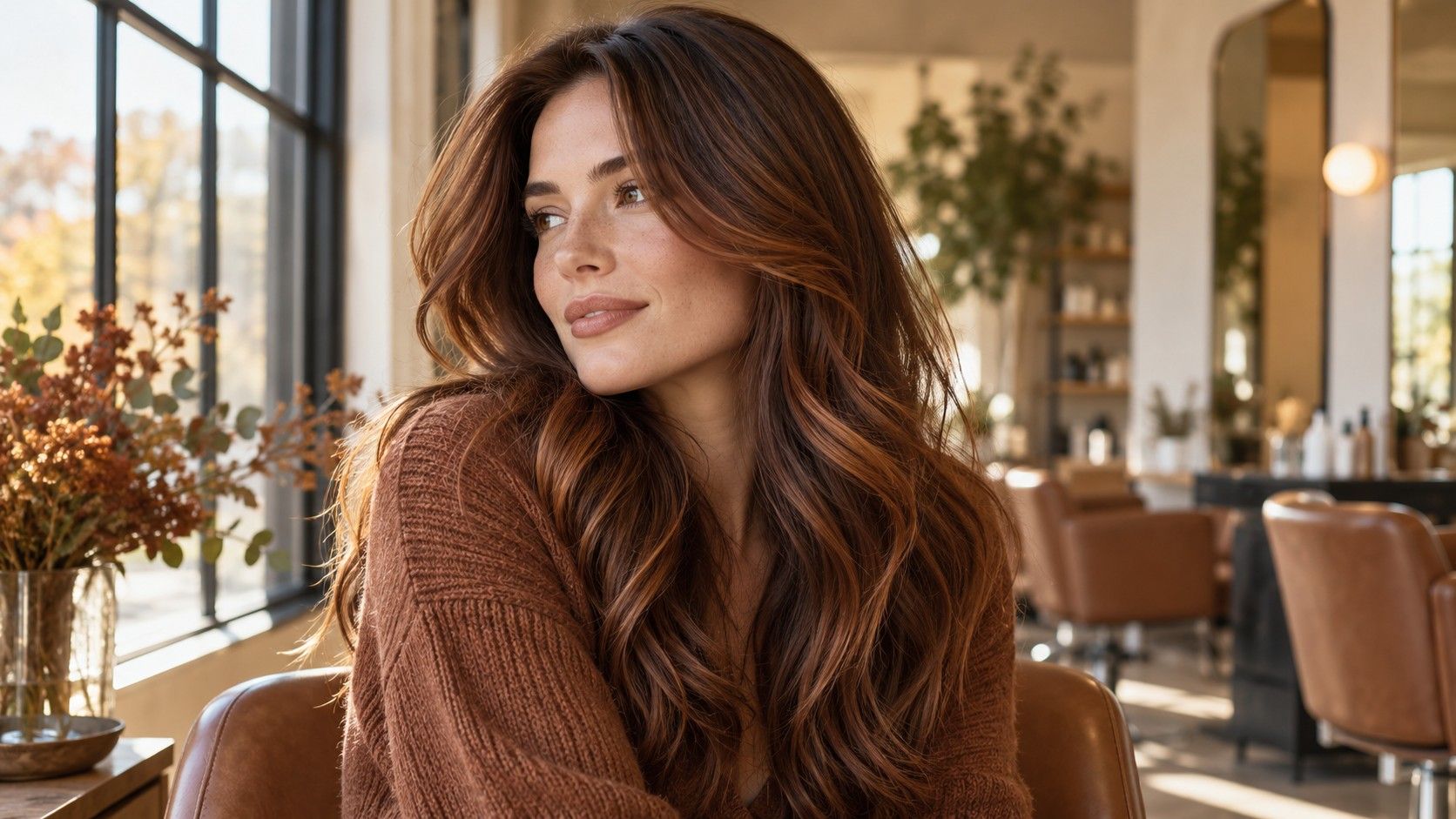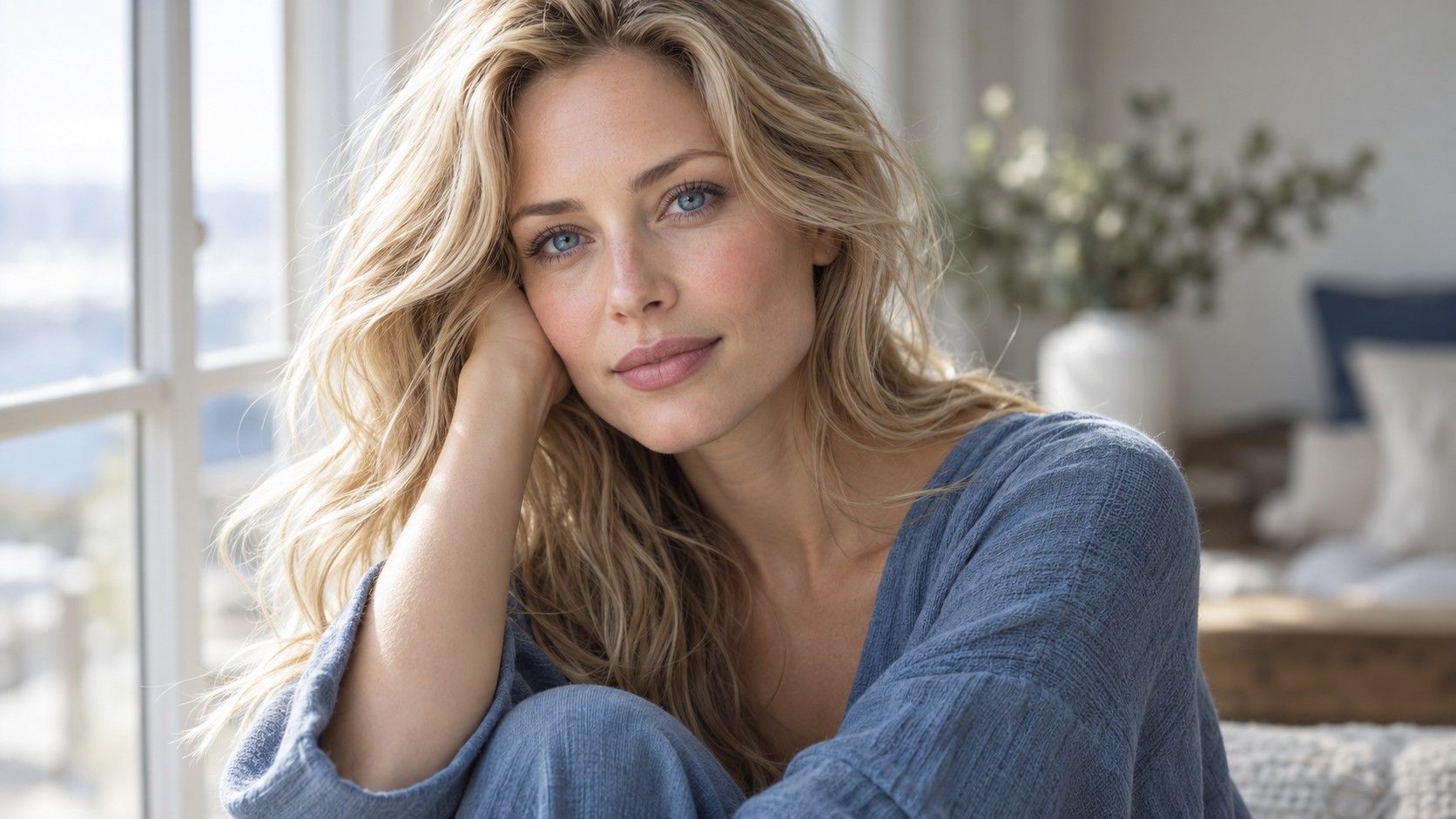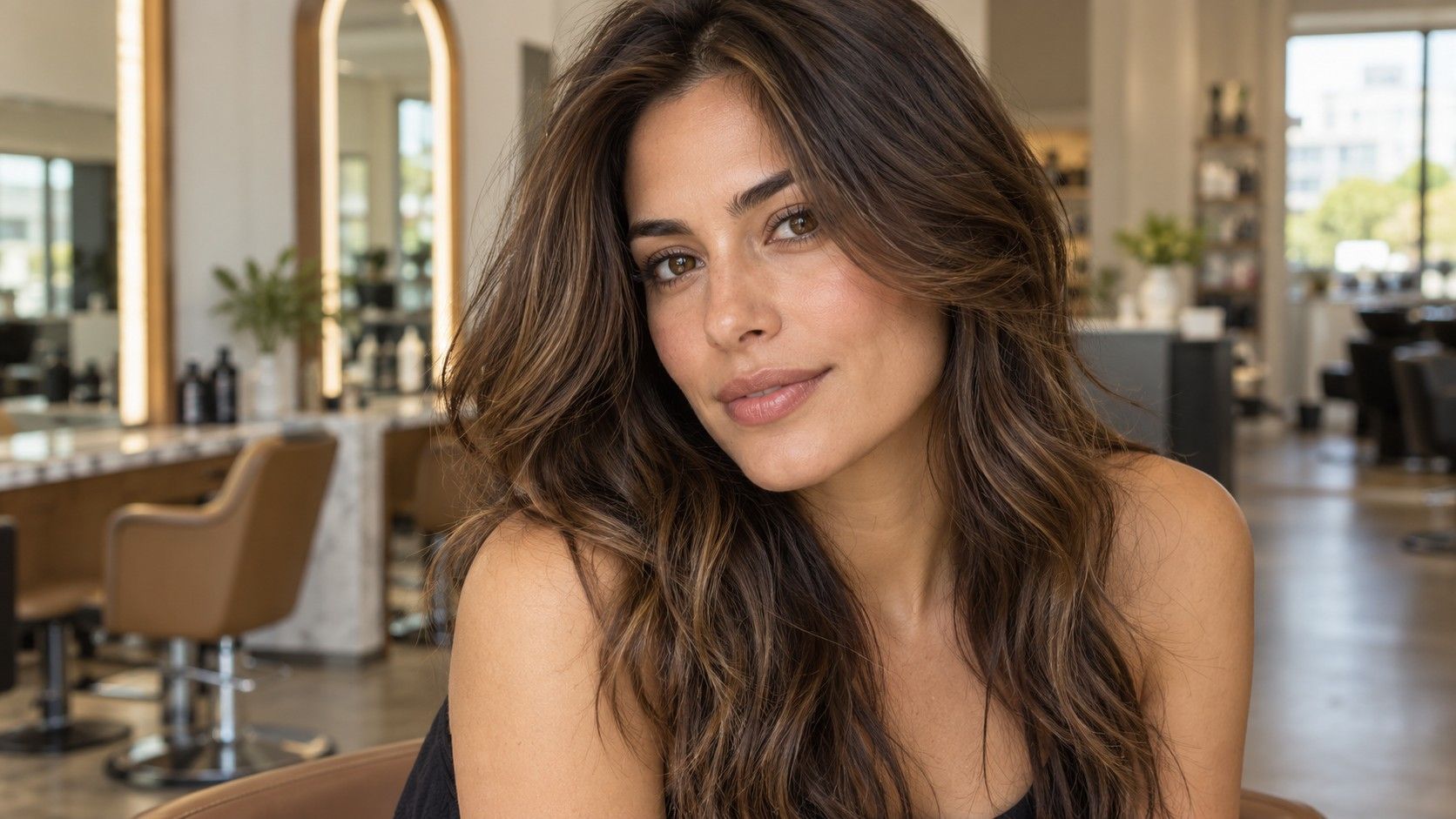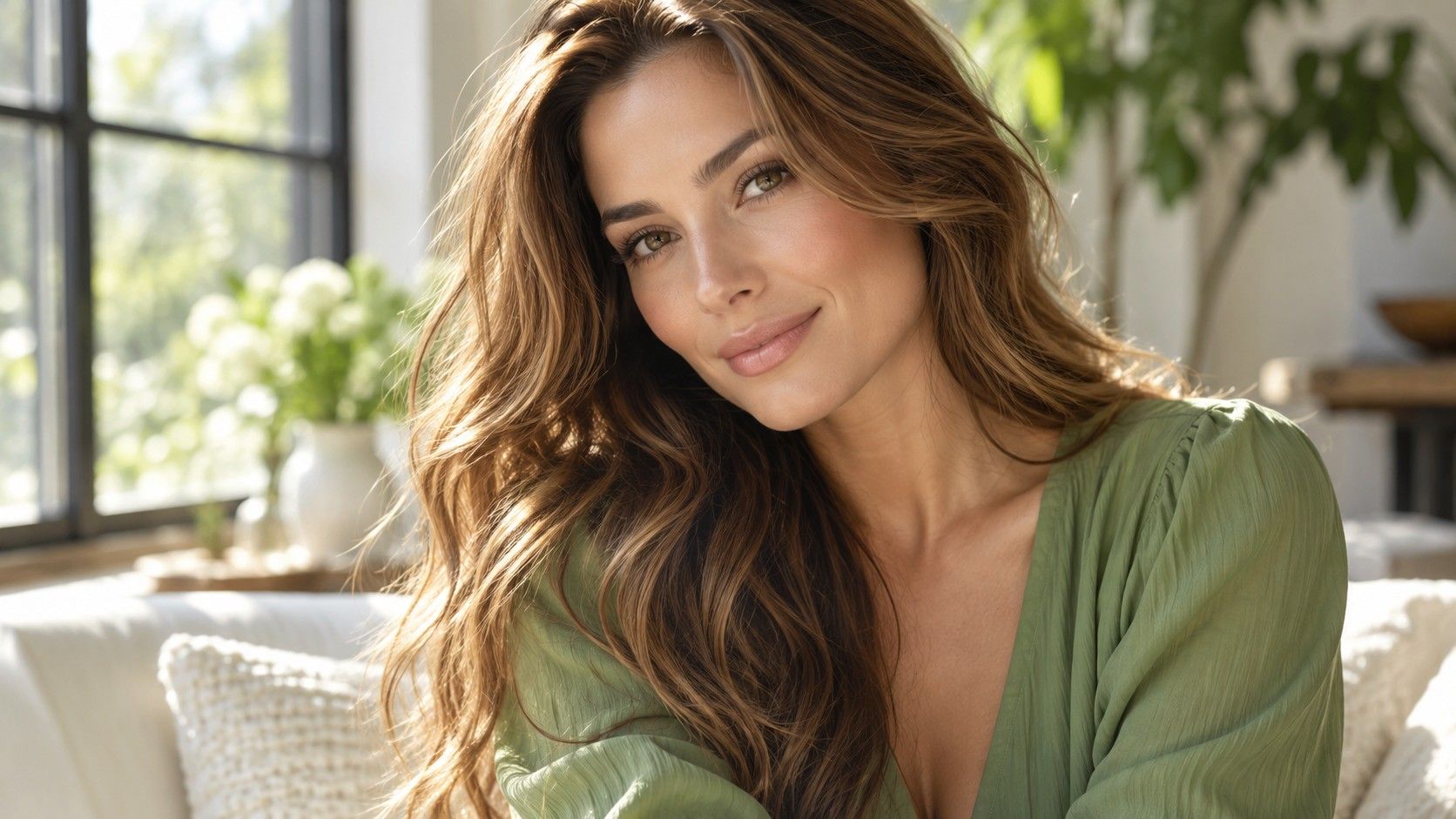
Bright Spring hair references can be confusing: they range from golden blonde to dark brown, yet the shared idea is clarity. If you are choosing from a bright spring hair color palette, focus on how clean the color looks, how much warmth it carries, and whether the contrast works with your usual clothes. A shade can be technically warm and still feel dull if it has too much grayness. The decision should start with your natural base and the amount of change you can maintain.
Does the color look clear or softened?
A clear shade has a direct, lively impression. Compare a clean golden brown with a smoky brown of similar depth; the second may look quieter even though both are brunette. The distinction is easier to see when two swatches sit side by side against a neutral background. Phone screens, salon spotlights and editing can distort it. Keep one daylight photograph of your present hair and ask for references photographed in similar light. You are comparing color quality, not the model's face or haircut.
Bright Spring is often described through warmth and contrast, but those terms are guides, not a test that can diagnose you from your eyes or natural hair. Try a bright coral or clear green top you already own beside your face. Does a candidate hair shade work as part of that outfit, or does it appear smoky and separate? A shadow root can preserve depth while the visible lengths stay clear. That may feel more natural than making every strand equally light. Write down whether you want more brightness at the hairline or through the whole head; the placement changes the result as much as the named shade.
Golden blonde or warm brunette?
Golden blonde can create a light, sunny frame, but it is a large commitment if your base is medium or dark brown. Warm brunette can hold more contrast and may be simpler to grow out. Put reference images of both at similar brightness and without heavy filters. If one blonde photo is shot in direct sun and the brunette in a dim room, you are comparing lighting rather than color. Ask the salon what each direction requires from your starting level, especially if you have previous color on the lengths.
A warm brunette does not have to mean copper. Think clear chestnut or a brown with controlled golden light, depending on your preference. Likewise, golden blonde does not have to be uniformly yellow: depth at the root and lighter sections around the face can give it shape. Before choosing, imagine the shade after several weeks of ordinary wear. Would a darker root look intentional, or would it frustrate you? A shade you enjoy only on appointment day is a poor match for your schedule. If you are unsure, begin with smaller areas of lightness and reassess after living with them.
Where should brightness sit near the face?
Two people can request the same blonde and leave with very different impressions. A few light pieces close to the face make the color visible even when the rest of the hair remains brown. Lightness concentrated on the ends is subtler when you look in a mirror, although it may stand out in photos from behind. Take a photo with your hair down and another with it pulled back. Mark the area you actually see most of the day. This makes a consultation much more concrete than saying you want 'more brightness.'
Keep the contrast deliberate. Very pale face framing pieces against a dark base can look striking, but that sharp border may be the entire look. If you want an easier blend, ask how the colorist would connect lighter sections to your existing brown. A clear warm accent can be small; it need not cover the whole head to change the mood. Check the first inch near the hairline in natural light before judging the result. That area can appear brighter than the lengths because it sits next to skin and catches light in a different way.
What prevents a flat, demanding result?
Uniform color can lose dimension when it is pushed too light or too dark. At the same time, too many scattered highlights can turn a clean palette into a busy pattern. Ask for a plan with a base, one accent direction and a clear idea of where the lightest pieces go. Compare the reference to your natural root: a small difference can grow softly, while a large difference creates an obvious line. Neither is wrong if you have chosen the upkeep knowingly.
Previous color is the practical constraint. Hair already colored dark may not reach the same golden blonde as an untouched reference in one visit. Healthy looking hair and a gradual plan can matter more than forcing the exact photograph. Ask for a realistic first result, the possible later stage, and the appointment rhythm each requires. If the proposed result depends on frequent toning and root work, put those costs into the decision now. A warm brunette with one lively accent may serve the bright idea better than a blonde that requires more maintenance than you can give it.
What should the salon references show?
Bring three images: the shade you want, a version you find too muted, and one that feels too orange or too light. Explaining the boundaries is often more informative than a single perfect image. Try to include a photo taken in diffuse daylight, where the root and ends are visible. Avoid relying on a picture with a filter, extreme styling or a large area hidden under a hat. Tell the colorist what your natural color is and whether the lengths have been dyed, toned or highlighted before.
At the consultation, use plain descriptions: 'clear warm brown,' 'golden but not copper,' or 'bright around my face with a natural root.' Ask which parts of your reference are possible on your hair now and which would need another appointment. Take a photograph of the agreed swatches if the salon uses them, so you can compare the finished color in the same light later. A good Bright Spring choice should be recognizable in an ordinary mirror, with your regular clothes, on a day when your hair is not professionally styled.