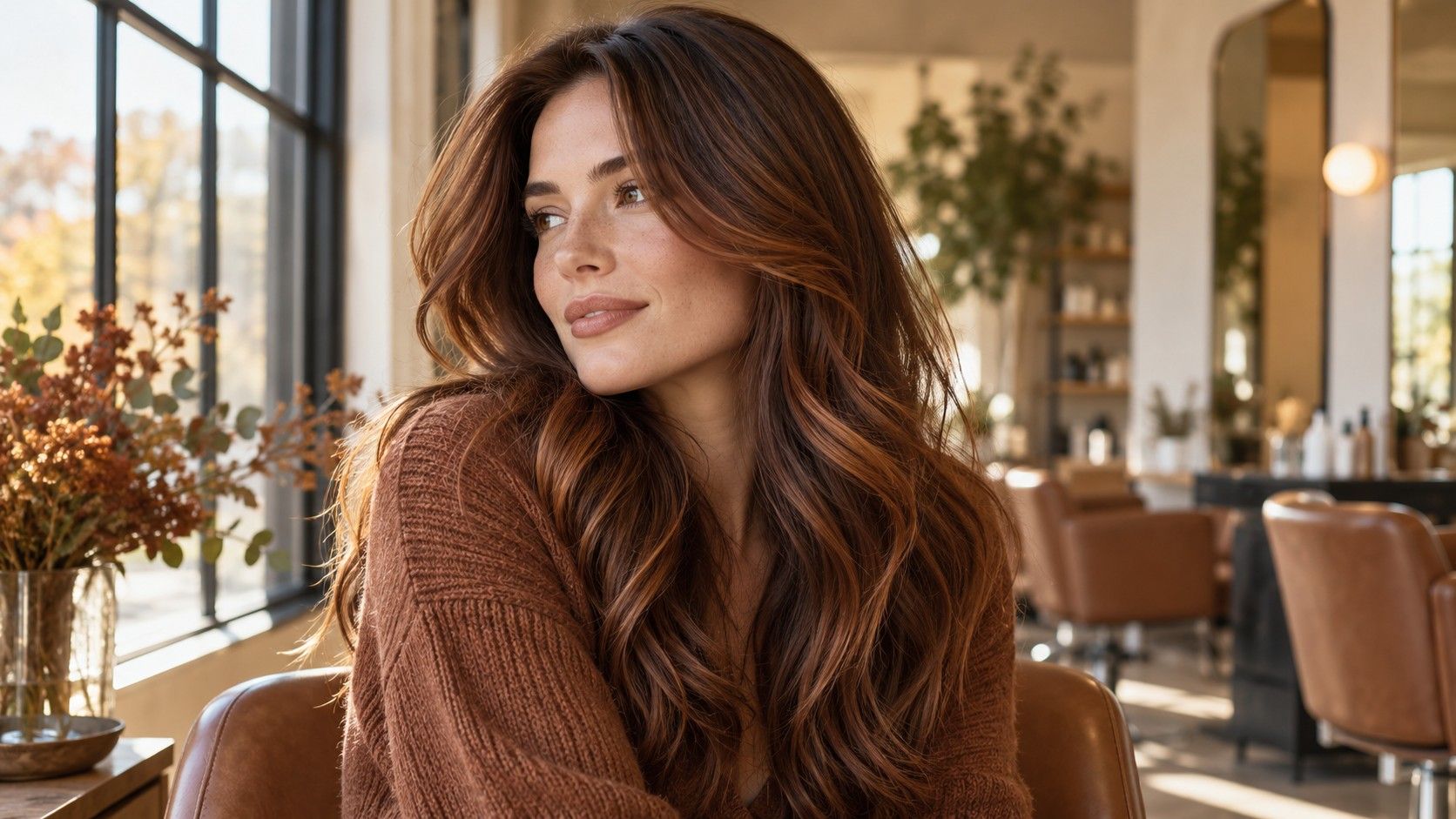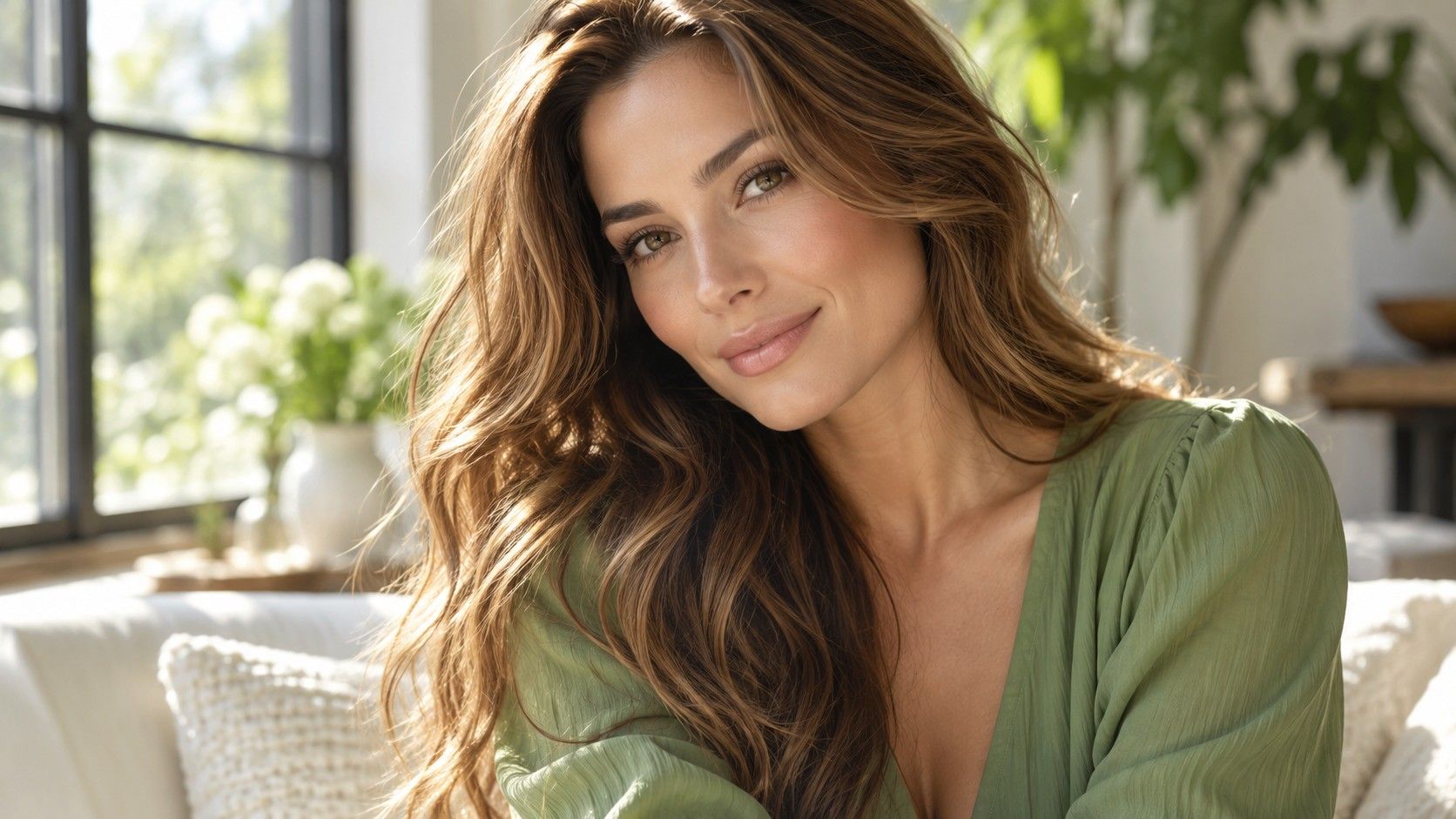
Auburn can mean a vivid penny copper or a brown with a quiet red cast. That difference is the whole decision for someone exploring soft summer auburn hair. The palette idea points toward muted color and modest contrast, yet personal preference and your existing shade matter more than a label. Compare how much red you want to see indoors, what appears in daylight, and how easily you can return toward your natural color if you change your mind.
When does copper become too bright?
Set a bright copper reference beside a muted auburn reference at roughly the same depth. The vivid option usually announces its orange quality immediately; the quieter one may read brown indoors and reveal red by a window. Make sure both images were shot in comparable light. Warm editing can make a muted shade look brighter, while shadow can disguise an intense copper. The useful question is whether you want red to lead the look or appear as a secondary note.
If you already wear soft rose, slate blue or dusty green often, test the images beside those clothes. A strong orange copper may create a separate focal point; a subdued red brown may sit more quietly. This is an observation about the whole outfit, not a rule about who is allowed to wear red. Your natural hair and skin appearance cannot establish a seasonal category on their own. If you love a brighter copper, you can choose it knowingly. If the attraction is to the idea of red rather than its daily visibility, request a subtler first step.
How deep should the auburn be?
Muted auburn can live on a light brown, medium brown or darker base. The deeper the base, the less red you may see under indoor light. A lighter base can make even a small red shift more obvious. Ask the colorist to show examples at the same starting depth as yours and to explain what previous dye or highlights might do to the result. A reference on pale untouched hair is not an exact forecast for dark previously colored lengths.
Check the root plan. If your natural hair is a cool medium brown, a red brown close in depth may grow more softly than a much lighter copper. If you begin with blonde highlights, those sections may catch more color and create a brighter pattern than expected. Decide whether that texture appeals to you. When comparing depth, hold the hair reference near a simple gray or navy top; busy prints can obscure the difference. Try to choose a shade you like both when the hair is loose around your face and when it is pulled back.
Can your familiar clothes live with the red?
A shade can look excellent in isolation and still feel inconvenient with a closet built around another color direction. Lay out three items you actually wear: a neutral layer, your favorite colored top, and a piece you find difficult. Compare the intended auburn beside each in daylight. Muted red may work gently with washed denim and soft greens, while a clearer copper might ask for a more deliberate outfit. You are looking for friction you will notice at 8 a.m., not a theoretical match on a palette chart.
Pay attention to makeup if you use it, but do not assume a new hair color requires a full new routine. A small change near the face can alter how a familiar lip color looks. If you rarely wear makeup, judge the reference that way. Many inspiration photographs include warm lighting and a complete styled look; crop your attention to the hair and compare it with a candid photo of yourself. The aim is to choose the red you would still enjoy on an ordinary errand, with your usual coat.
How will auburn change between appointments?
Red tone can shift visibly as color wears, and the direction depends on the starting hair, color service and daily habits. Ask the salon how they expect your chosen muted shade to change, and what a tonal refresh would involve. A shade that starts soft can become warmer, quieter or uneven in appearance across older highlights. No single schedule fits every head of hair. Take an outdoor photo during the first week, then compare it after several washes rather than relying on memory.
Think about roots separately from fading. A color close to your natural depth may have gentle regrowth even if the red needs refreshing. A lighter copper over a dark base has both a tone change and a root boundary to manage. Ask which issue will be more visible in your case. If you want a low commitment trial, keep the first red change modest and make sure you understand how long it may remain detectable. 'Temporary' can mean different things in a salon conversation, especially on porous or previously lightened hair.
If you want to judge a red before committing, compare the references on a day when your hair is styled normally, not freshly blown out. Shine makes warm tones appear brighter; matte texture can make the same shade look deeper. Also compare the color beside your eyebrows without assuming they have to match. A softly mismatched brow can look natural, while a dramatic hair change may make you want to adjust your usual makeup. This is a styling choice, not a requirement built into the season label.
What is a sensible first salon request?
Bring one image of your preferred muted auburn, one that is too orange, and one that is too dark. Tell the colorist which aspect you want to control: red visibility, overall depth or contrast near the face. Mention old dye and highlights, even when they seem grown out. Ask for an achievable first appointment and a description of how the color will look under indoor lighting. These details protect the result better than asking for the season name alone.
If you are hesitant, discuss a smaller area or a tone closer to your natural brown rather than a full dramatic shift. Ask how the salon would adjust it if you later wanted more red, and what returning toward your starting color could involve. After the service, photograph the hair in daylight with a neutral top. If you want a change at the next visit, point to a concrete difference: less orange at the ends, more depth at the root, or a softer face frame. That language turns a vague feeling into a workable revision.