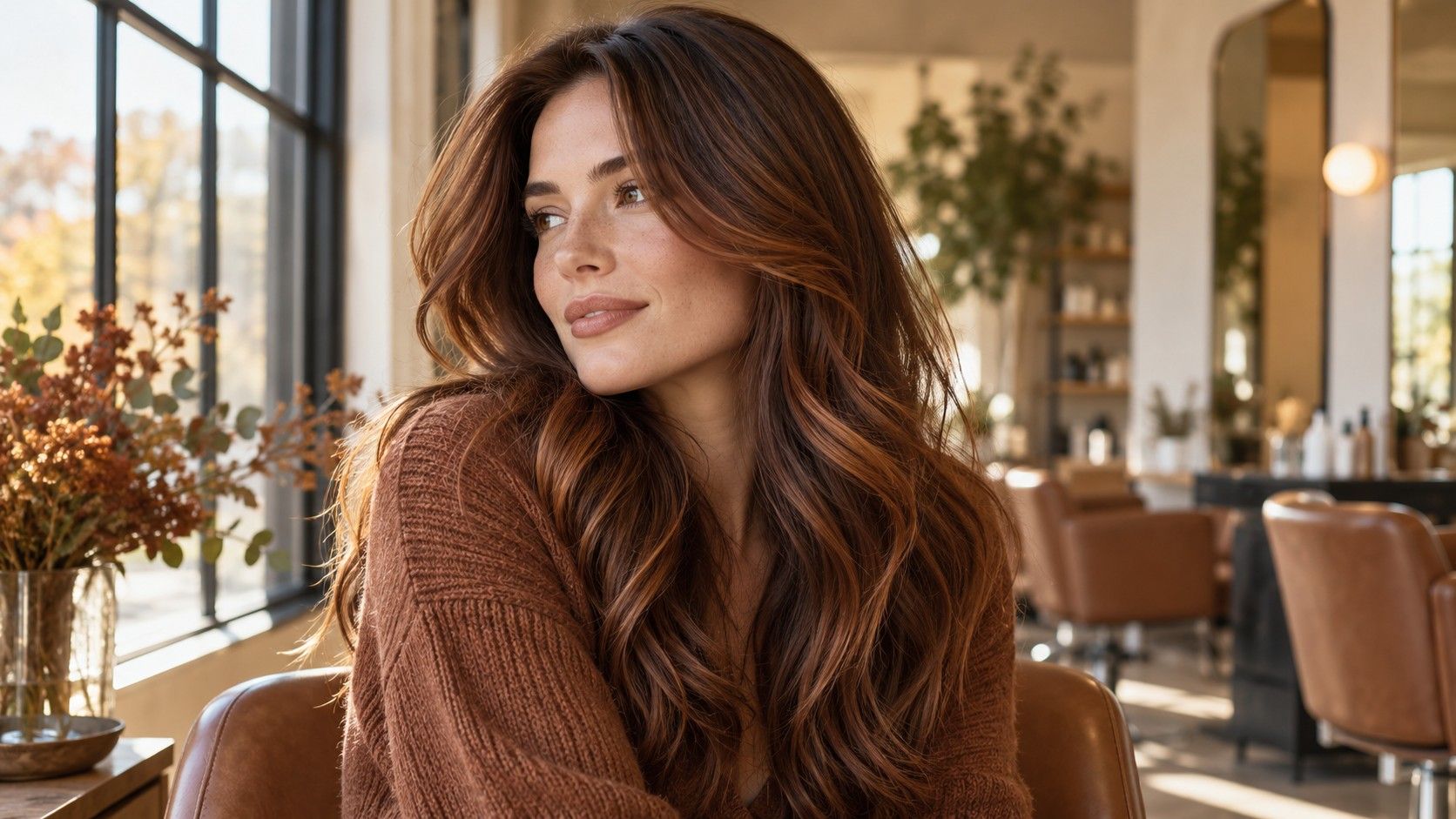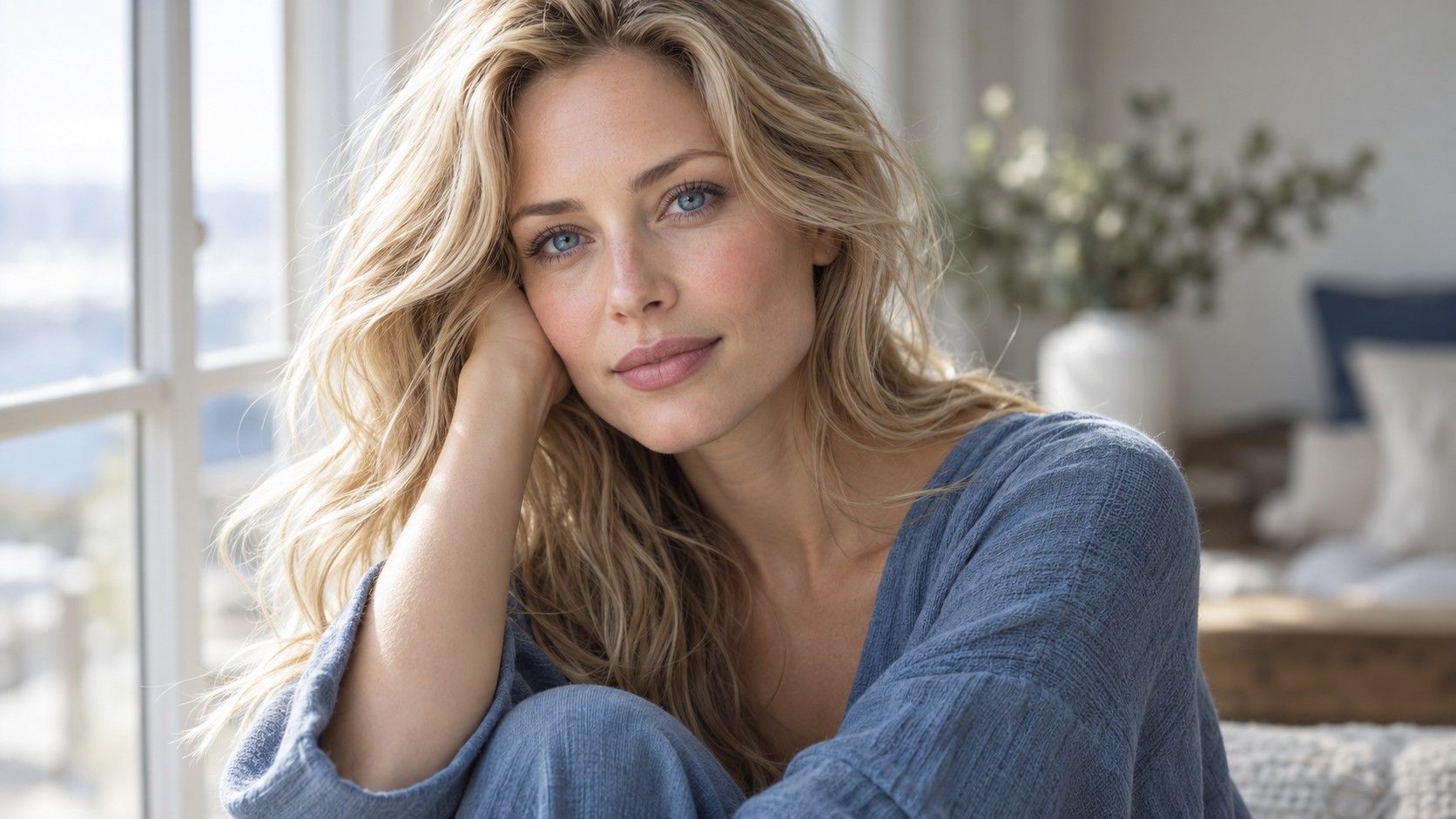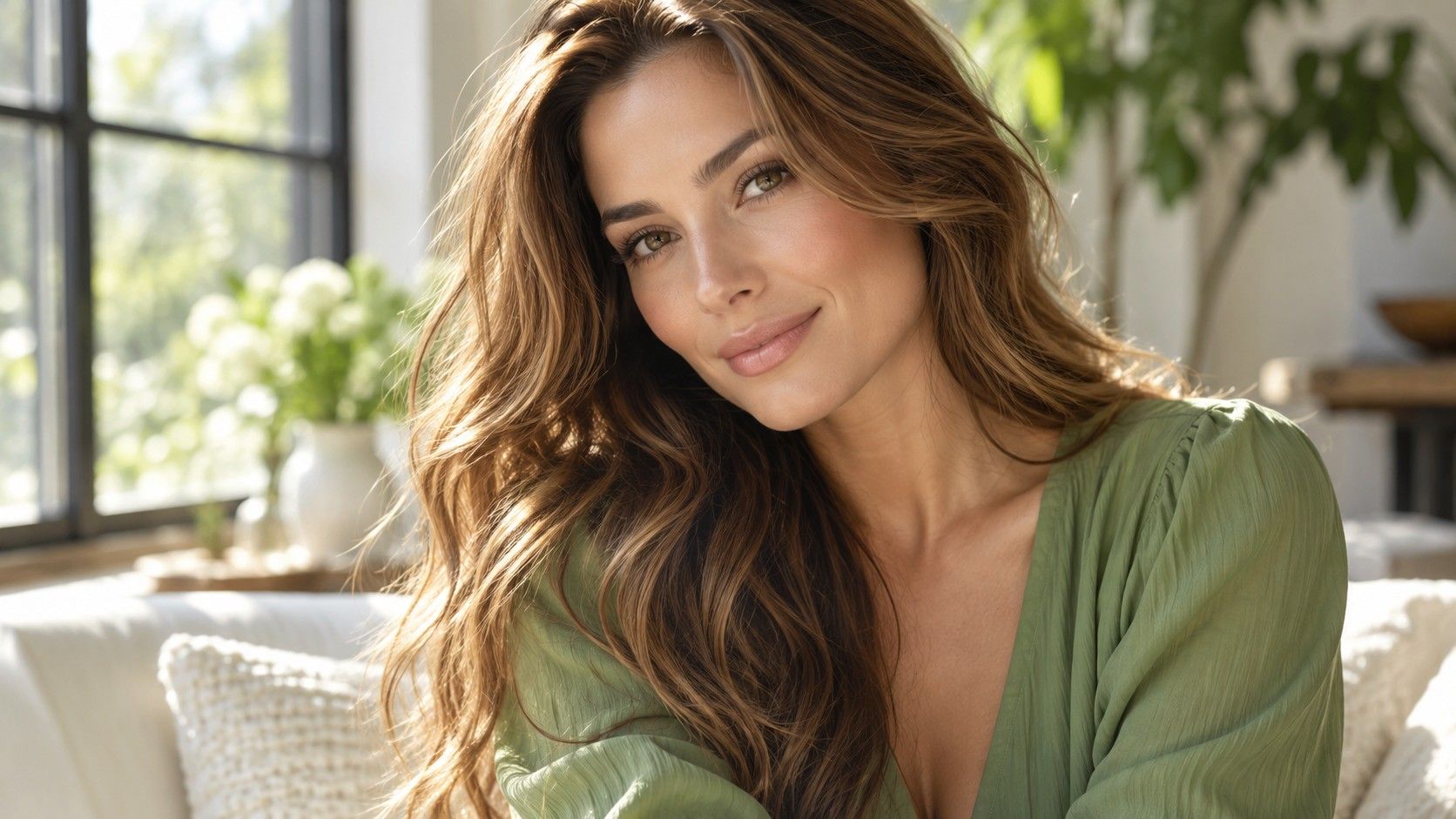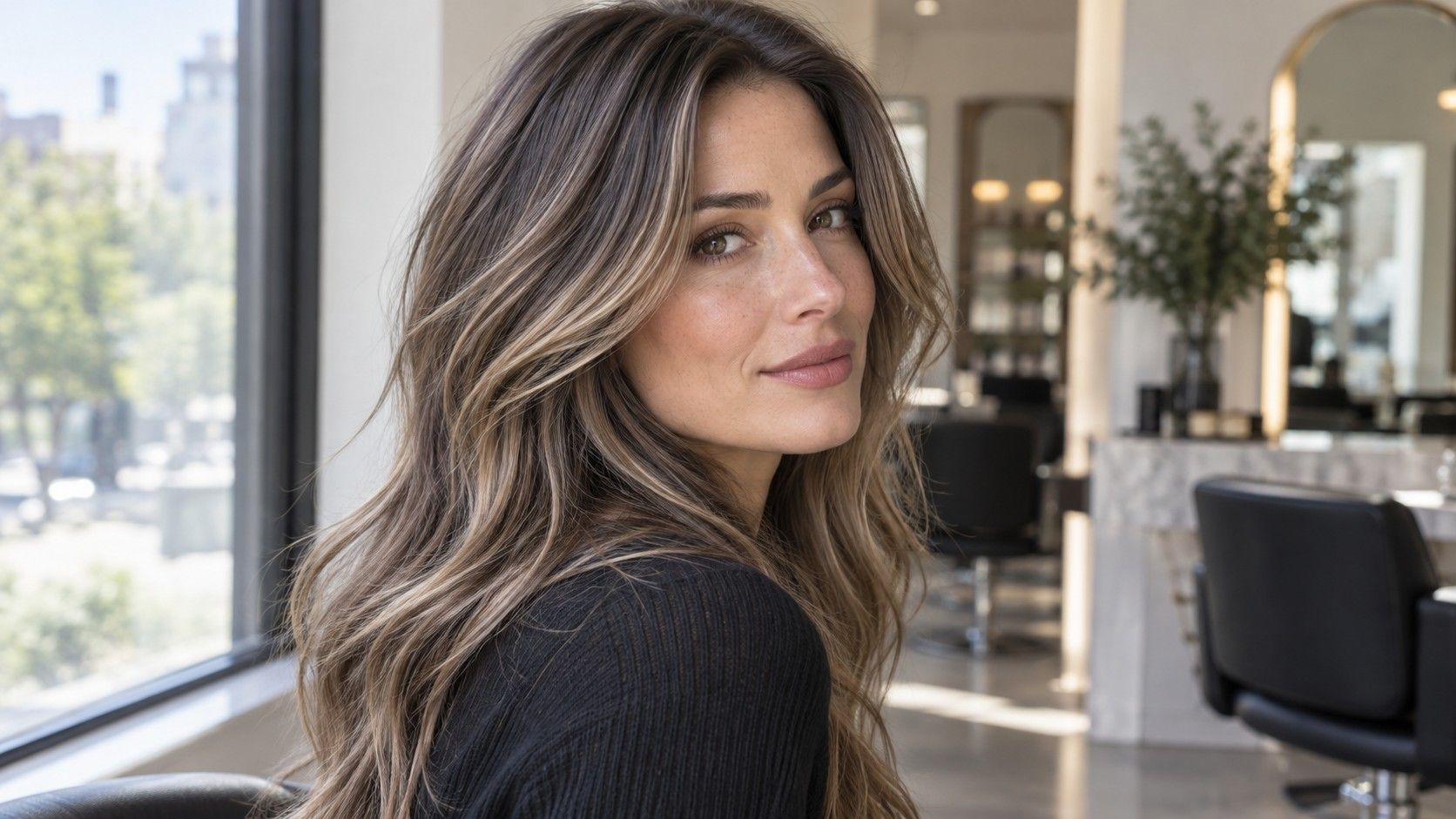
Cool shades range from pale ash blonde to deep brown, so the useful question is which depth and amount of dimension suit the change you actually want. Use these comparisons to make a clear salon shortlist.
Choosing between light ash blonde and a deeper base
A cool summer hair color palette may bring up pale ash blonde, but the starting depth matters. On naturally light hair, a cool veil can be a relatively modest visual change. On dark brown hair, an icy-looking reference asks for a much larger shift and a more obvious line as roots grow. Put your current daylight photo beside the target before discussing a shade name.
Look at how light the hair is at the roots in the reference. Many polished images show a shadowed root that makes the pale lengths easier to wear. If you want less frequent appointments, a blended root may matter more than chasing the palest strand in the picture.
Cool does not require color to be the same from crown to ends. A medium ash blonde with a little variation can still read cool overall. Ask the colorist to show you the difference between a neutral-cool result and a very smoky one on a swatch or a set of realistic references.
For a first change, do not let the lightest strand in an inspiration picture set the target for the whole head. Look at the dominant color in the middle of the hair. If it remains medium blonde, that may be the better description to bring into the appointment than the pale flash near the face.
Avoiding the flat gray effect
Ash describes the direction of warmth, not a guarantee of attractive dimension. A photograph of hair under cool studio lights may look silver while the same style outdoors looks beige-brown. Save references in indirect daylight and reject images where the filter appears to have drained color from skin and clothing too.
If your goal is softness, say so. Too much uniform cool tone over a single depth can look heavy, especially on fine straight hair. Fine changes between strands give the eye something to read while keeping obvious gold out of the picture.
Compare the ends with the hair at the part. Lightened ends may show a different tone from unprocessed roots. A consultation should address that difference rather than treating the entire head as an identical canvas. Ask what the first visit can realistically achieve and whether a staged change would leave the hair looking more coherent.
The strongest gray-looking references often depend on heavy editing or a freshly toned finish. A practical goal can be a cool brown or blonde that still looks like hair in daylight. Ask to see a less stylized reference, preferably with a visible root and natural texture.
Where highlights help and where they turn golden
Highlights around the face can brighten a cool brown or blonde, but placement changes the effect as much as tone. A wide, pale front panel may dominate every photograph. A few narrow pieces distributed through the top layer can make the color feel lighter without replacing the base.
Check images after styling as well as freshly colored salon portraits. Hair photographed in direct sunset light will look warmer; that is a lighting effect worth separating from the actual color. If your saved references all use the same warm filter, add at least one neutral daylight picture before the appointment.
Ask how a cool highlight might change between visits. Light strands can show unwanted warmth as tone fades, so the maintenance conversation should cover what you can expect to see at week four or six, not just on the first afternoon.
If you routinely wear a side part, point it out. Highlights placed for a centered part can bunch together on one side when you move the hair. A small adjustment in placement may keep the cool impression even when the strands fall as they do at home.
The cool brunette route
Cool brunette is often a better fit for someone who wants depth and a quiet result rather than a dramatic move toward blonde. Compare medium cool brown, deeper espresso-brown, and a neutral brown in natural light. The deepest image may have a stronger contrast against the face than expected, even though all three are called brown.
Natural roots make a useful reference point. If your own hair is close to medium brown, a change in tone or a small amount of dimension may accomplish the goal with less visible growth. If you are naturally blonde, a dark brunette creates a different maintenance pattern and may feel heavier in daily styling.
When showing an espresso image, point to the brown you can still see in the highlights. If the photo looks black except under a strong lamp, be clear about whether that is truly the depth you want. Salon terminology varies; a visual comparison reduces confusion.
A cool brunette does not have to erase every warm reflection under sunlight. Photos taken in direct sun emphasize red and gold in many colors. Judge the target in soft outdoor light, where the dominant tone is easier to compare, and tell the stylist whether a slight neutral note is acceptable.
Planning for the color after the first wash
For many people the deciding question is how the hair will look between appointments. Ask the stylist where the root boundary will appear, whether the look depends on cool toning, and what shade the ends may drift toward as the finish wears. A plan that looks beautiful for one day but demands more upkeep than you want is a poor match.
Bring the same daylight photo set to a follow-up if the result feels warmer than planned. Compare like with like: the salon image, a new photo in indirect daylight, and your original reference. Bathroom LEDs and late sun can exaggerate different tones.
You can prefer a neutral brown over a strict ash result and still use cool summer references as a guide. Personal taste, natural depth, and how often you want to visit a salon all belong in the final decision.
Put upkeep into calendar terms: how long you realistically leave between appointments and which changes you would notice first. A cool finish that requires frequent refreshes may still be worth it to you, but that should be a deliberate choice. A similar-depth brown may give a quieter change with less visible root contrast.