Cool Summer blonde is often shown as a pale ash finish, but that single picture hides useful choices. A softer beige, a cooler ash and a darker root can all create different effects while staying within a restrained blonde direction. If you are weighing cool summer blonde hair, decide what you want to see in ordinary daylight and what your current hair can reasonably become. The maintenance plan matters as much as the swatch.
Is beige or ash closer to your goal?
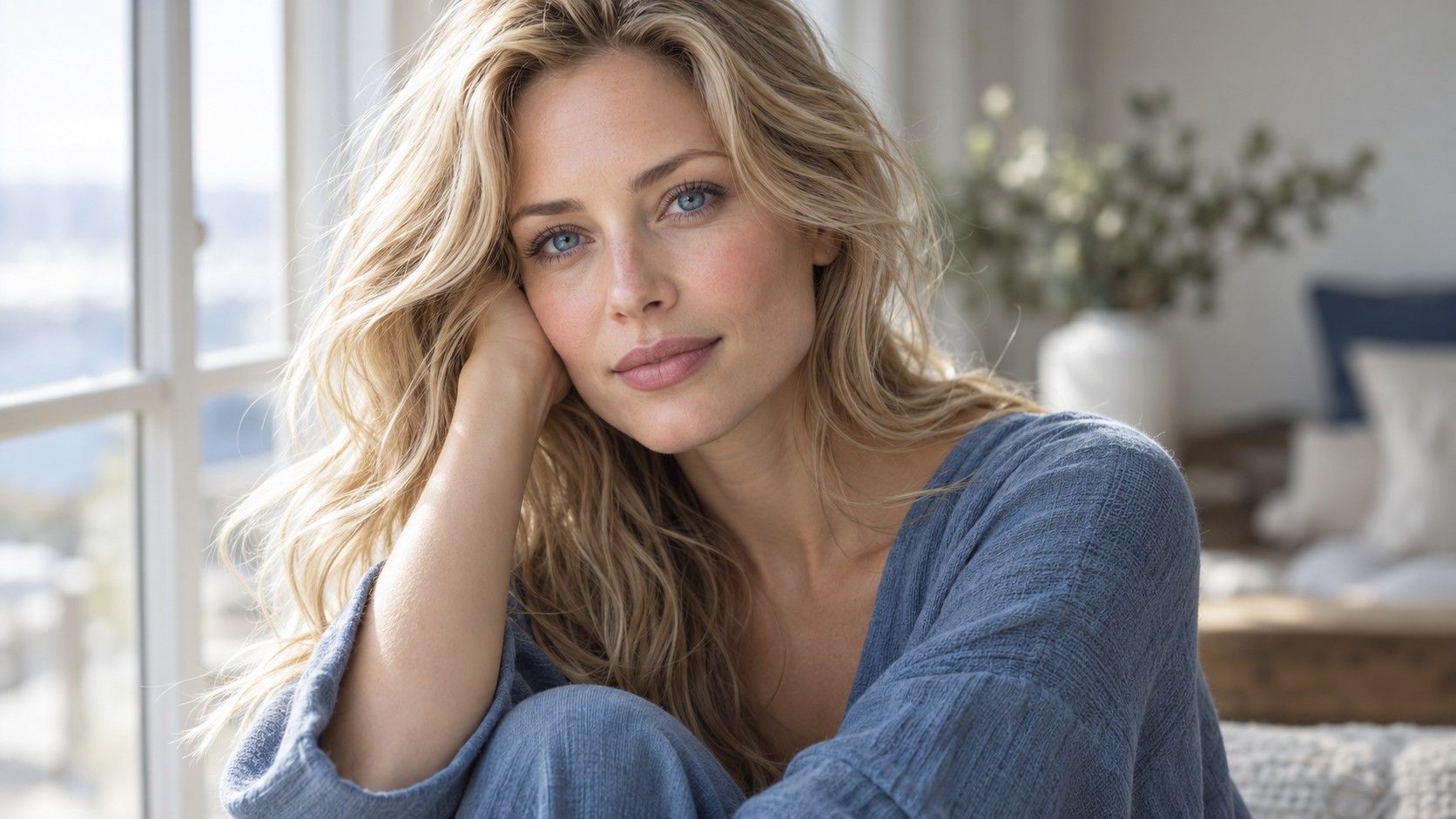
Beige blonde often sits between warm gold and gray ash. It can look soft without reading yellow. Ash has a more visibly cool cast, which some people love and others find flat. Compare photos at the same depth and under similar daylight. A very pale ash image against a darker beige one makes tone and lightness impossible to separate. Ask the colorist to show two swatches of similar brightness so you can judge the actual difference in temperature.
Hold each near your face with a white or soft gray top, then with something you wear frequently, perhaps dusty blue or denim. Notice whether the hair reads calm, dull or unusually stark. The answer is personal. A seasonal category does not guarantee that one ash formula will work for everyone, and hair and eye color alone cannot diagnose a season. If your natural blonde has a slightly warm cast, you may prefer a cooler beige that keeps some softness rather than pushing to a steely finish. Say exactly what you mean by 'cool' at the consultation.
How much root depth should stay?
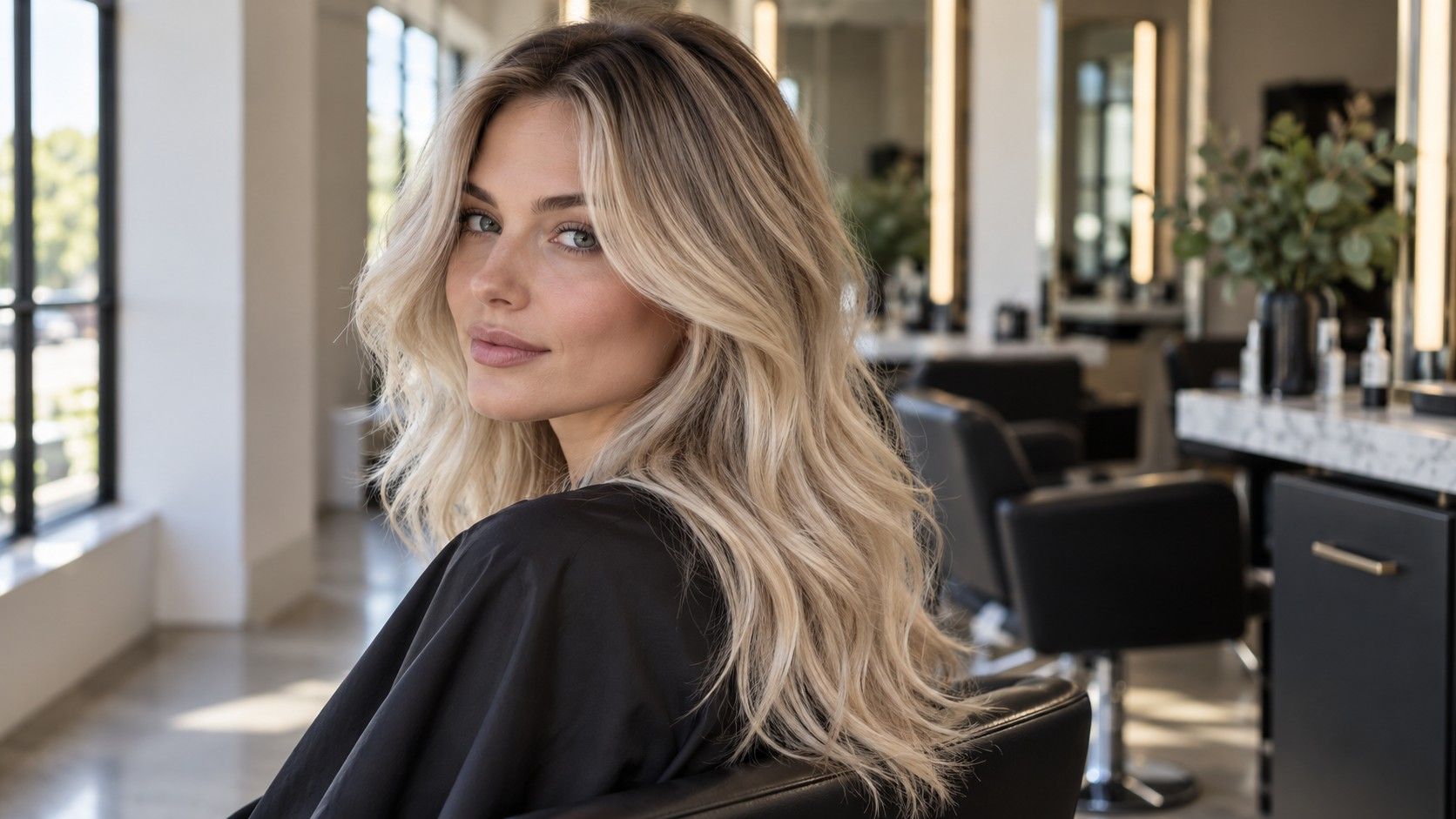
A natural looking root gives blonde a visual anchor and can soften the grow out line. A darker root also makes light pieces appear brighter by contrast. That can be useful if you want the impression of blonde without lightening every strand. Compare reference images from the crown as well as the ends; many polished photographs hide the part line. If you wear your hair up, photograph that style too. The visible root area may be larger than it appears when hair is loose.
Ask how closely the chosen root depth can sit to your natural color. A small difference may grow with less urgency; a dramatically dark root on naturally light hair creates its own boundary. If you already have highlights, the transition between them and new color matters. A colorist can explain whether the old pattern will blend or remain visible. Be precise about your preference: 'I want my natural root to show' is different from 'I want a dark shadow root.' Both can be valid, but they lead to different maintenance and different amounts of contrast around the face.
How do you manage warmth without going gray?
Blonde can reveal more yellow or orange as toner wears, particularly over previously lightened hair. The response is not automatically to choose the coolest possible finish on day one. Overly ashy hair may look darker or more gray than the beige blonde you pictured. Ask the salon what the underlying lightened hair is likely to show and how a tonal refresh would change it. Take a daylight photo at the appointment and compare it after the first weeks of normal washing.
If warmth appears only in the ends, the issue may not be the whole color. Older, more processed sections can look different from newer highlights. Point to the specific area in your photos and discuss it at the next visit. Avoid judging from a bathroom bulb that casts yellow light; check near a window as well. A cool summer blonde plan should be livable as it softens, not just pristine for a day. You can prefer a little neutral warmth to a flat gray cast while still keeping the overall look cool and gentle.
Highlights or an all over change?
Highlights can leave more of the natural base intact and give depth between lighter pieces. All over blonde creates a more uniform field, which may be the desired look but can make the root line and tone shifts easier to notice. Compare both options using photos of a similar starting color to yours. A highlight reference on naturally pale hair may not show how much dark hair remains if your base is medium brown. Ask what the first appointment can realistically produce.
Placement deserves as much attention as the service name. Face framing lightness changes the color in the mirror immediately; lightness hidden underneath has a quieter effect when your hair is down. If you have a side part, bring a photo of how you usually wear it. If your hair has been colored dark, say so before agreeing to a pale result. The path may need stages, and the first stage may look different from your final reference. An achievable mixed blonde is often more satisfying than chasing a uniform pale shade without enough time or upkeep.
A useful question at the mirror is whether you want people to notice the blonde first or the overall softness of your face and clothes. Very pale pieces at the hairline can feel bright even if the rest of the hair is restrained. Moving some of that lightness away from the front may create a quieter result without giving up blonde entirely. Show the colorist a front facing reference and a side view. The amount of lightness visible from each angle can differ more than the shade name suggests.
What maintenance fits your calendar?
Before the color is applied, ask where the first visible change will happen: root growth, fading tone, or brassier old ends. The answer depends on your starting color and the method used. Also ask what the salon would do at the next appointment and how often they expect that to be useful for your particular hair. There is no universal calendar. A soft root and scattered highlights may offer more flexibility than an all over blonde that differs markedly from the natural color.
Factor in real life: time at the salon, cost, how often you wash and whether you spend long periods in strong sunlight. Those conditions affect what maintenance will feel reasonable, even if they do not predict a precise color change. Keep two reference photos, one of the fresh result and one from a few weeks later. If you like the second better, tell the colorist; it may mean you want a softer toner or less contrast. The right blonde is the one you can enjoy between appointments, with your normal routine and hair texture.